


Science of Fermentation: Lessons from Sourdough
There is something deeply humbling about working with sourdough. You do not buy yeast, you grow it. You do not rush the process, you wait. You do not control every outcome, you trust.
Fermentation is both a science and a mystery, a dance between invisible life and patient hands. It begins simply: flour, water, and time. But as the mixture sits, wild yeasts and bacteria begin their quiet work, transforming what is ordinary into something nourishing and alive.

As a biology graduate, I have always been fascinated by what happens beneath the surface. The natural yeasts in the air and on the grain awaken when mixed with water, feeding on starches and releasing carbon dioxide, the bubbles that make bread rise. Meanwhile, Lactobacillus bacteria create lactic acid, giving sourdough its tang and keeping unwanted microbes at bay. It is an elegant balance, designed perfectly by the Creator, life growing from life in perfect order and purpose.
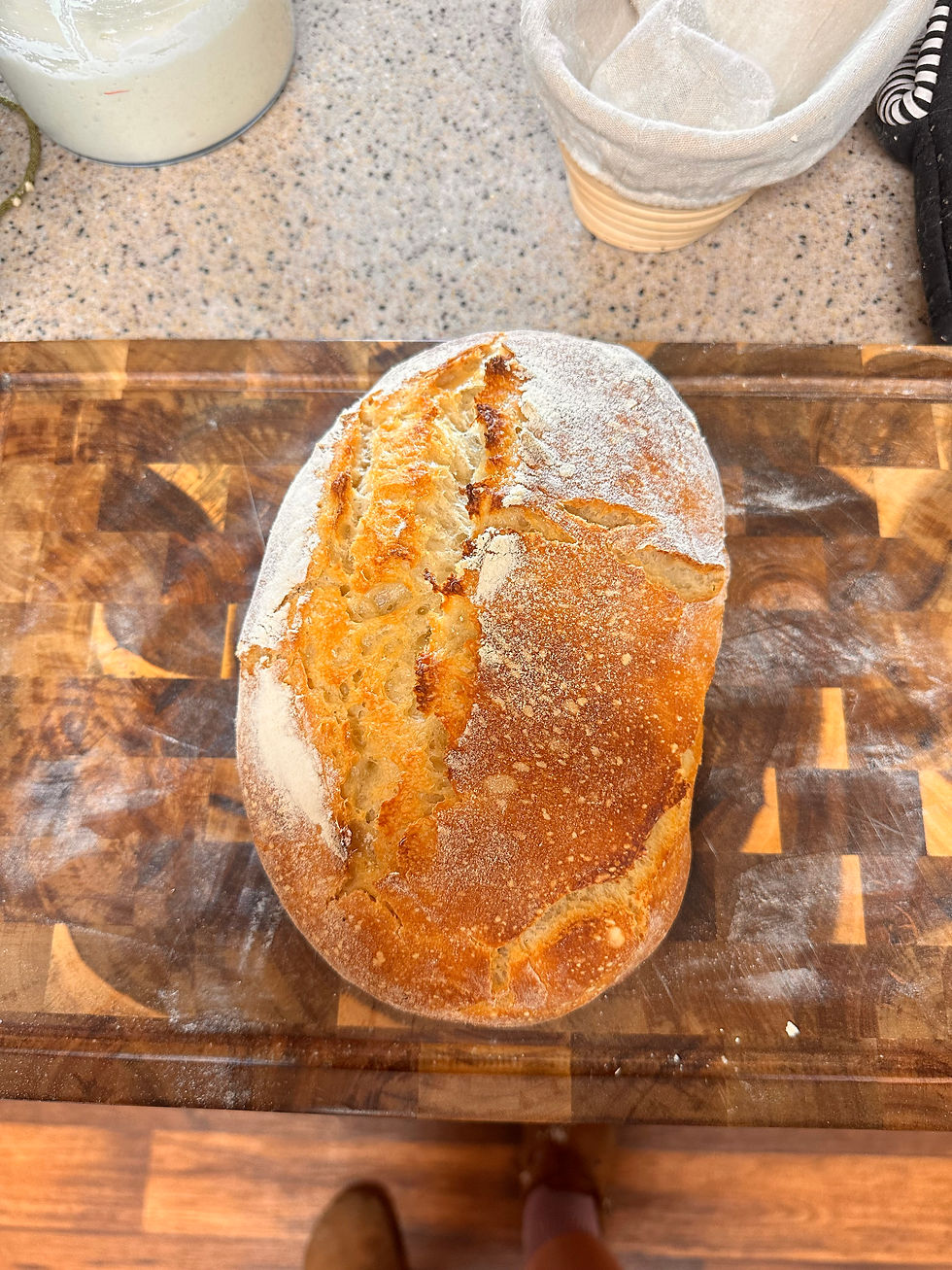
But fermentation is not just biology; it is a teacher of patience and trust. You cannot rush a starter. You feed it, wait, and hope, much like prayer. In a world that moves too quickly, sourdough calls us to slow down, to let nature take its course, to let grace do its quiet work. When I knead dough or watch a jar of fermenting vegetables bubble on the counter, I am reminded that growth often happens unseen. The best things, whether it is faith, character, or bread, take time to rise. So here is to the slow work of living well to the jars that fizz, the loaves that rise, and the small daily acts that connect science, soul, and sustenance.
Comments